Learn all about turbulence, and see our app in action! (YouTube)
updated (Apr 08, 2026)
Turbulence Forecast Blog
Forecasting the Future: Introducing Navigator
Updated June 29, 2025
Learn how Turbulence Forecast began and discover Navigator, our newest feature offering turbulence predictions up to 5 days in advance to help you plan for smoother air and more confident travel.

Southwest Bag Fees Actually Good News
Updated March 12, 2025
Southwest Airlines is ending its “Bags Fly Free” policy and will start charging for checked bags on May 28, 2025. While travelers may be frustrated, this change gives Southwest the flexibility to lower base fares and compete more effectively.
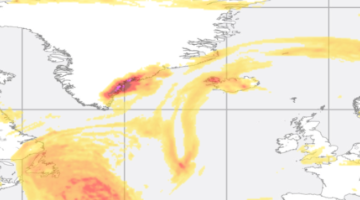
SAS957 Severe Turbulence Encounter
Updated November 14, 2024
On November 14th, 2024, SAS957 ran into severe turbulence over Greenland. Our worldmap and automated forecast would have predicted this.
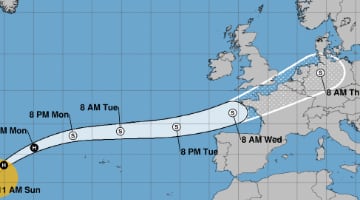
Hurricane Kirk: Headed towards Europe
Updated October 06, 2024
Hurricane Kirk is taking an unusual path, headed towards western Europe.

Testimonial: John from Raleigh, NC
Published October 04, 2024
John from Raleigh, NC shares his testimonial on how Turbulence Forecast is helping cure his fear of flying.
Peter, not only are your forecasts helping me choose the best day to flight for a smooth flight, your forecasts are also actually helping cure me of my fear of flying!
Peter, not only are your forecasts helping me choose the best day to flight for a smooth flight, your forecasts are also actually helping cure me of my fear of flying!
First, my fear of flying is FEAR OF TURBULENCE. I understand that others’s fear of flying may be fear of heights, or they may be claustrophobic or do not like all the sounds the airplane makes (which is the easiest problem to cure by wearing a good set of sound proof headphone or even using a pair of headphones to listen to soothing music or to be distracted by a movie or an audio novel)...

Taking flight under pressure: How pilots train for emergencies
Published March 26, 2024
Explore the different methods pilots use to prepare for unexpected situations, including classroom training, simulator practice, and psychological training.

Be prepared: use your brain's abilities to manage fear of turbulence
Published January 05, 2024
Being prepared is the secret sauce of managing anxiety around turbulence. Learn how to engage your brain and use tools to be more in control.

"We will be delayed because of mechanical issues..."
Published December 31, 2023
What could be causing mechanical issues that delay your flight? Most often, it's not the plane's ability to fly, but rather something that will ensure your comfort and safety inside the plane.

Help, everything is wobbly!
Published December 05, 2023
Why is the room spinning for some after you get off a flight? Find out!

2023 Thanksgiving Travel Outlook
Published November 20, 2023
Find out why Thanksgiving Travel for 2023 looks very turbulent.